Unlike Panna’s open sky scanning, birding here means listening carefully inside thick forest.Here are ten birds that define Bandhavgarh.
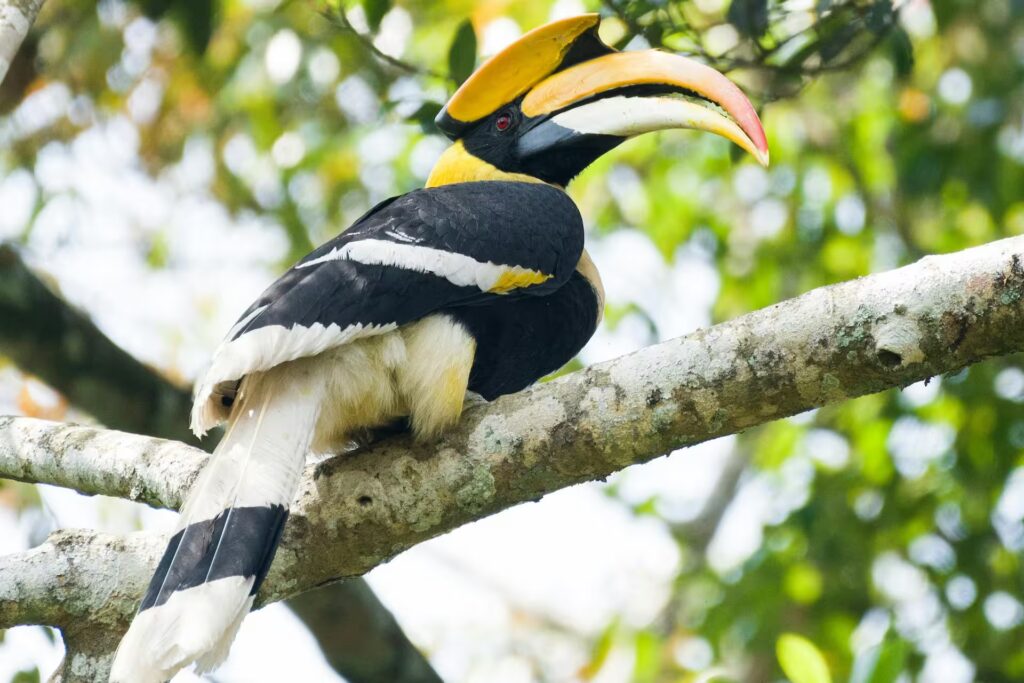
Malabar Pied Hornbill
This is one of the most exciting sightings in Bandhavgarh. Unlike the Indian Grey Hornbill, this species prefers mature forest patches with large fruiting trees.You’ll often see them flying across valleys with deep wingbeats. Early morning around Tala zone gives better chances. When fruiting figs are active, sightings increase sharply.
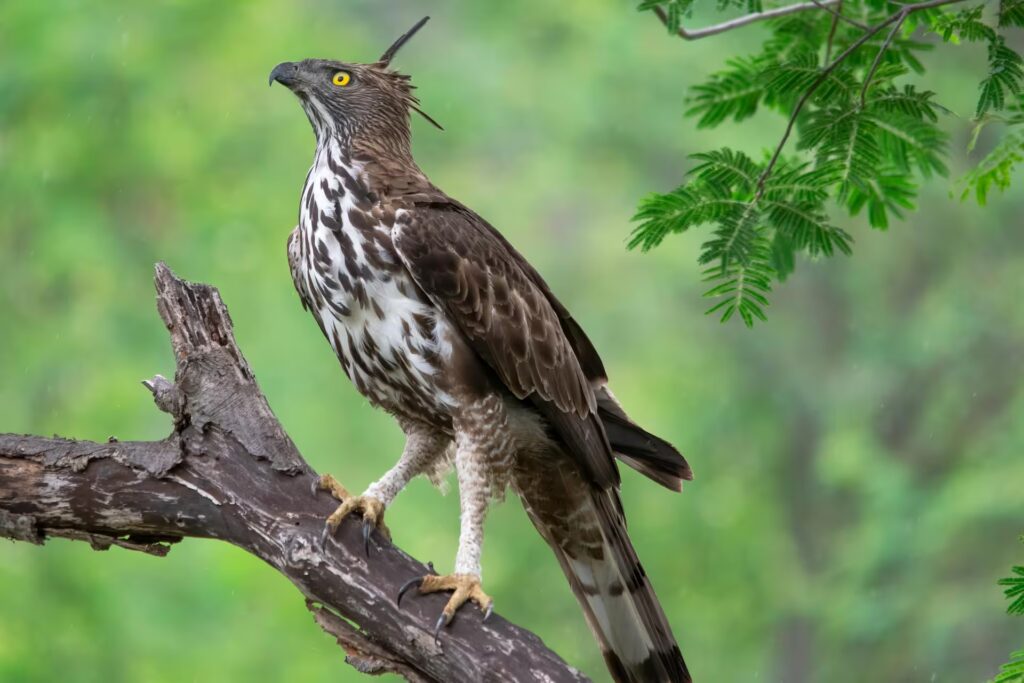
Crested Hawk-Eagle
A powerful forest raptor that prefers dense sal canopy. It sits quietly high up and scans for prey. Bandhavgarh’s interior forest roads, especially quieter stretches, offer better opportunities than open meadows. Look for a tall upright posture and long feathered legs.
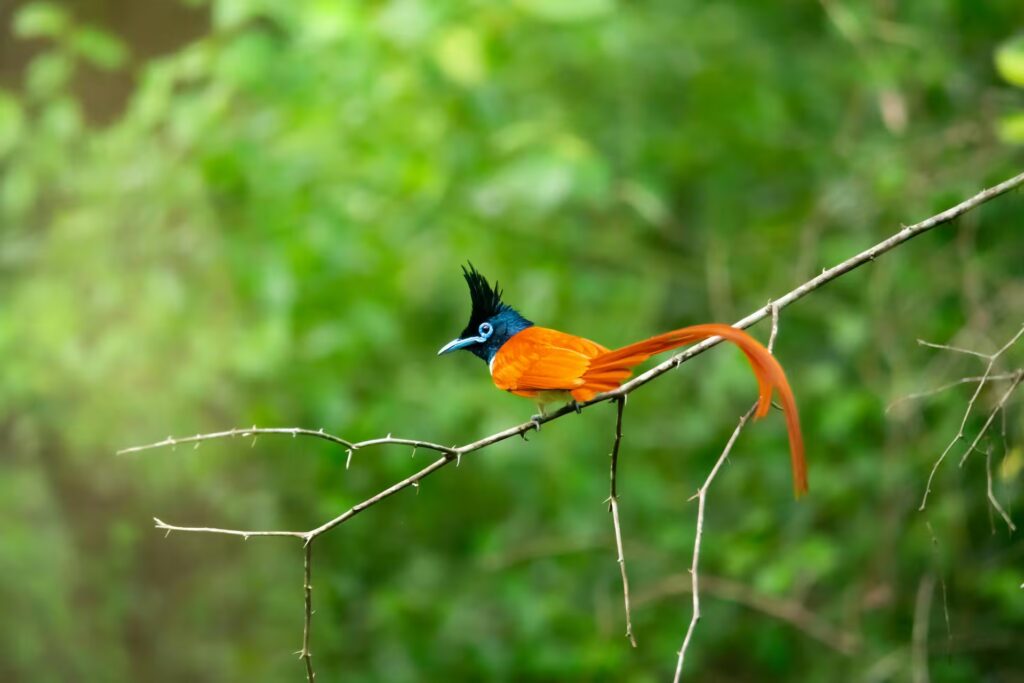
Indian Paradise Flycatcher
One of the most photogenic birds here. During summer, males with long white tail streamers are frequently seen near water bodies and shaded tracks. They actively hunt insects mid-air, often returning to the same perch repeatedly. Good sightings usually happen in early drives.
White-rumped Shama
A strong forest indicator species. It prefers thick undergrowth and shaded areas rather than open fields. You may hear its rich, melodious call before spotting it. Quiet forest sections in Tala and Magadhi zones give better chances.
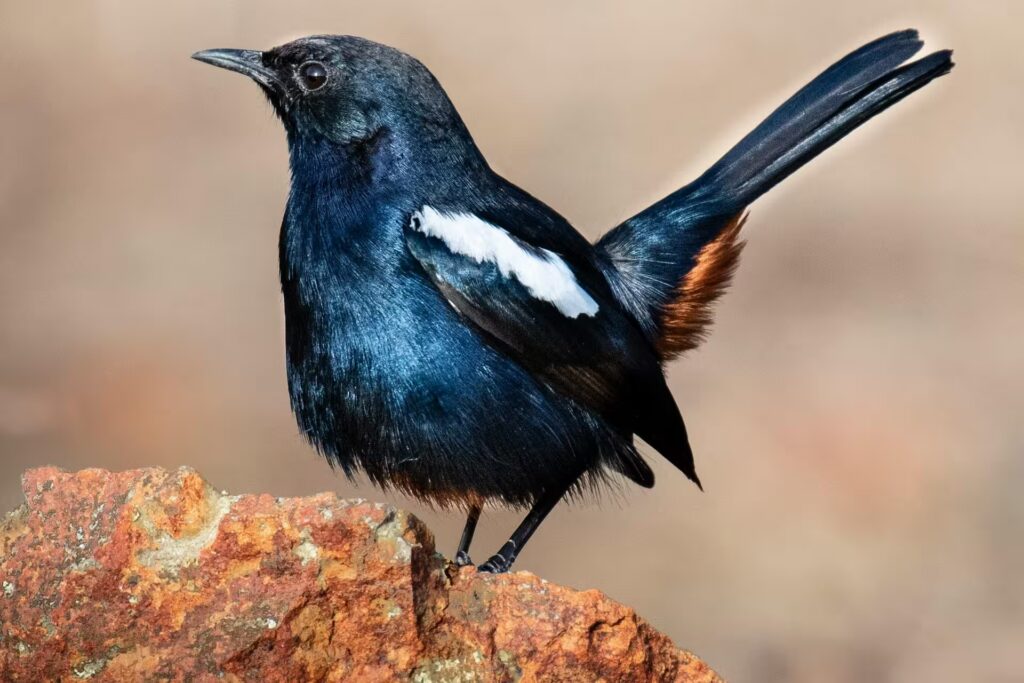
Lesser Adjutant Stork
Seen in open meadow patches like Chakradhara and Rajbehra. Its tall, heavy structure makes it easy to identify even from a distance. Though not present in huge numbers, regular visitors often encounter it near grassland edges.
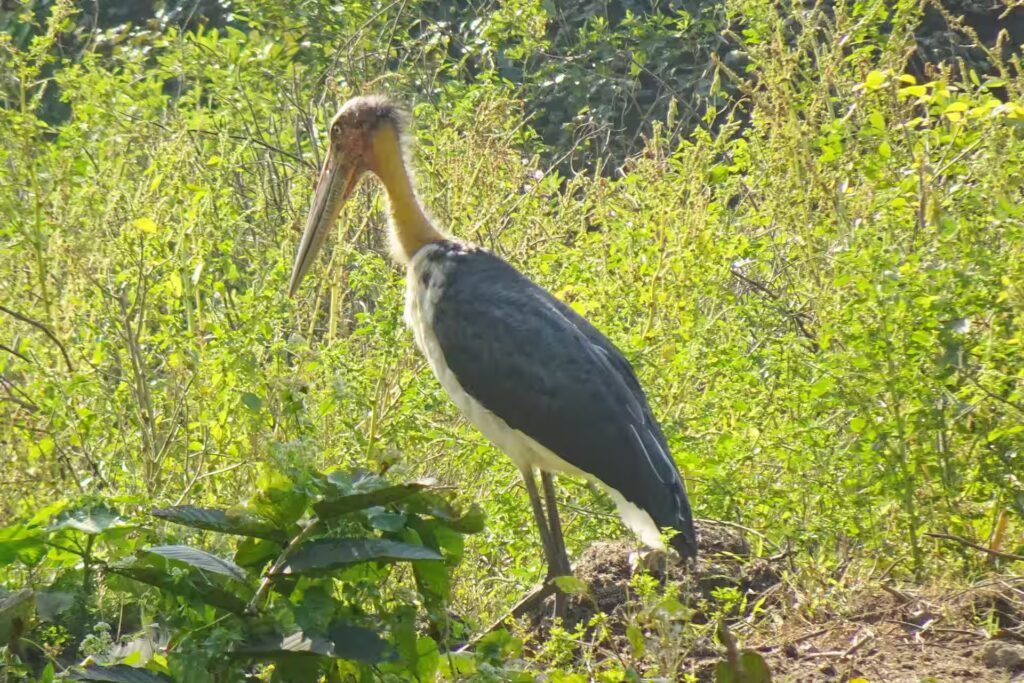
Alexandrine Parakeet
Larger than the common rose-ringed parakeet and easily identified by its red shoulder patch. Often seen flying across clearings or feeding in tall trees. Bandhavgarh supports a stable population because of old tree cover.
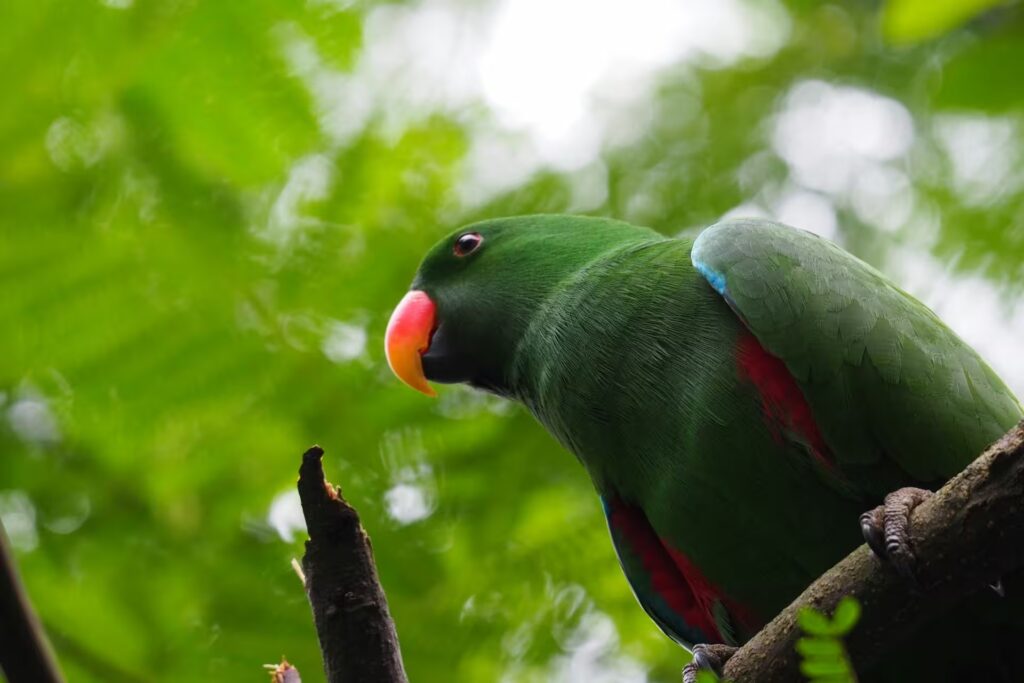
Brown Fish Owl
Found near water bodies and rocky slopes. It often roosts quietly during the day. Sightings require patience and a sharp guide. Early morning near streams or shaded valleys increases chances.
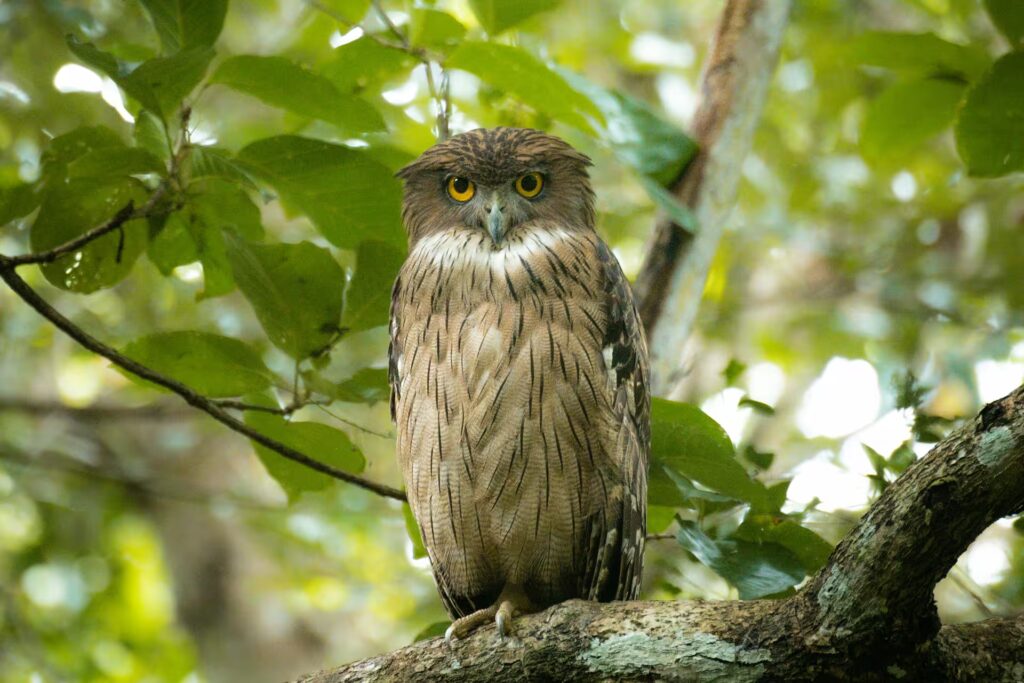
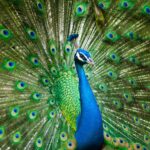
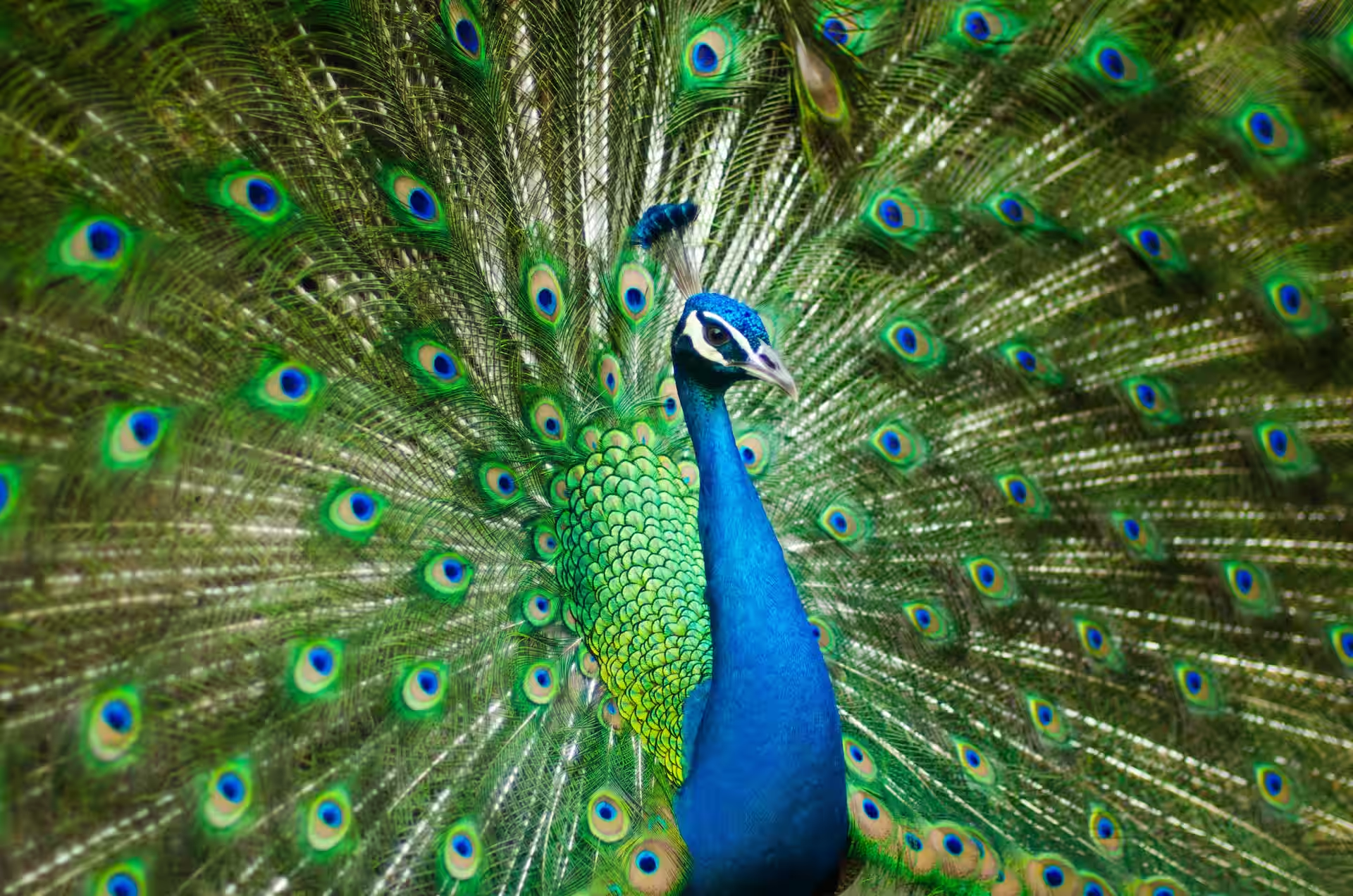
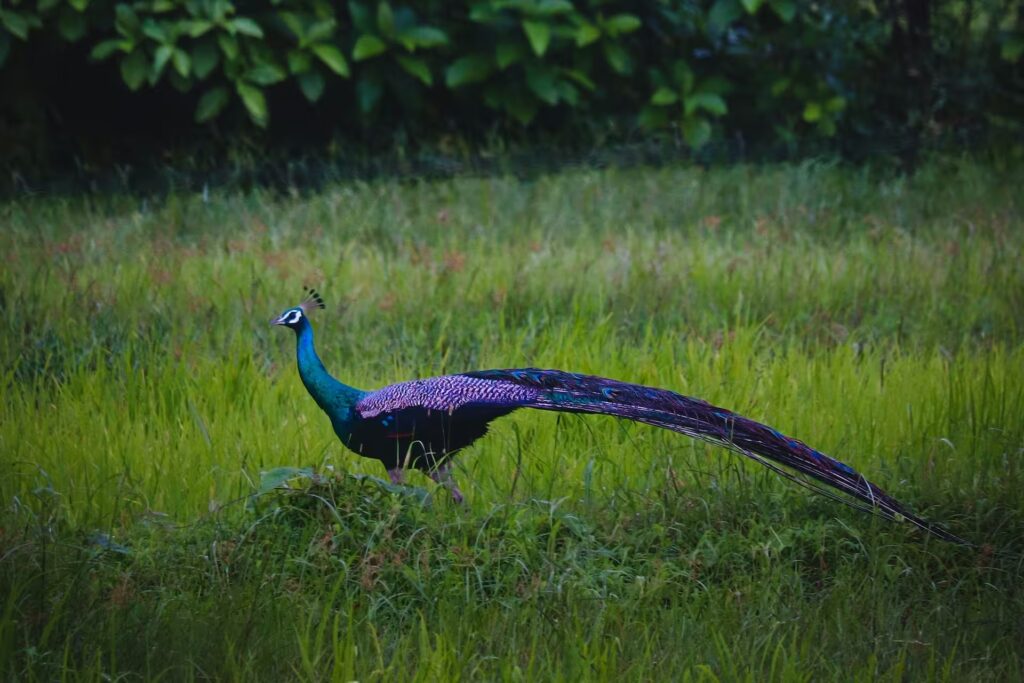
Indian Peafowl
Common but strongly tied to meadow landscapes. During pre-monsoon months, males display frequently in open clearings. Good light in early hours makes for strong photography.
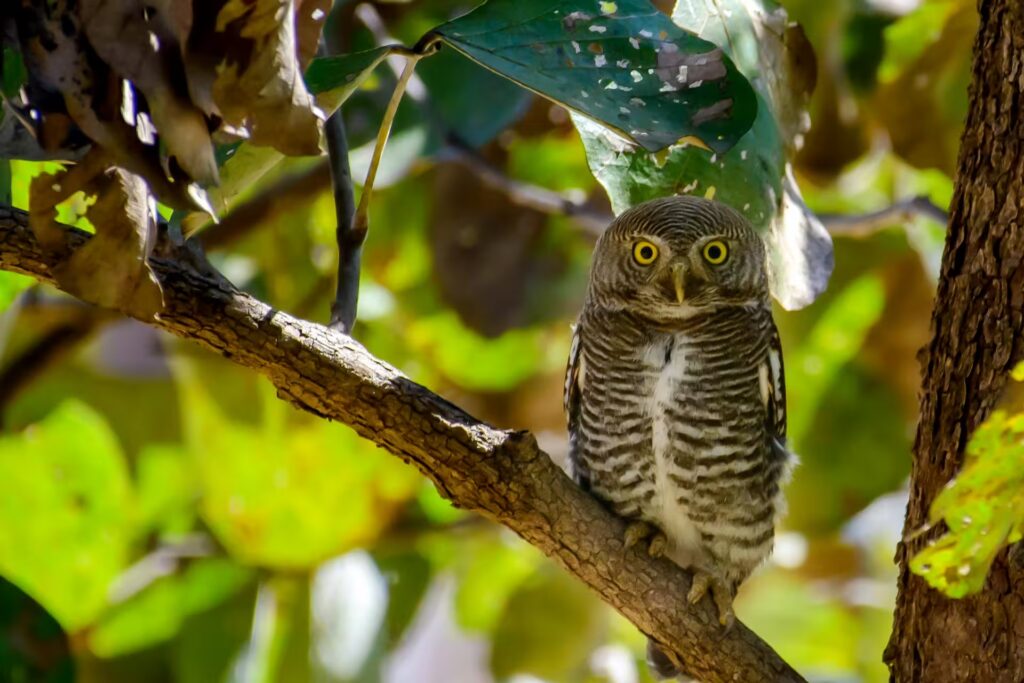
Jungle Owlet
Heard more often than seen. Its repetitive call echoes through forest interiors. Unlike larger owls, it can be active in daylight. If located, it usually sits on low exposed branches.
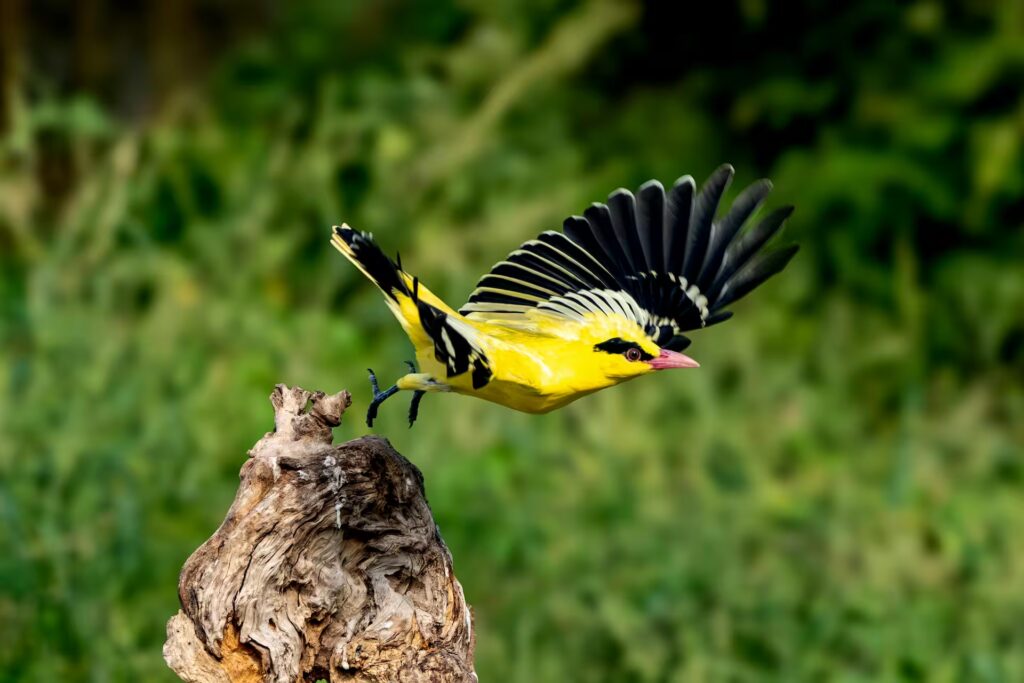
Black-hooded Oriole
Seen around fruiting trees and forest edges. Bright yellow body with a contrasting black hood makes it stand out. Summer months increase activity.
What Makes Birding in Bandhavgarh Different?
Bandhavgarh is:
- More forest-dense than Panna
- More compact than Kanha
- Rich in mixed woodland birds
Compared to Kanha:
- Fewer large meadows
- More sal-dominated forest
- Stronger hornbill presence
Compared to Panna:
- Less cliff and raptor focus
- More forest songbirds
- More bamboo patches
Birding here requires patience.You listen first. Then you spot.
Best Time for Birdwatching in Bandhavgarh
- October to March – Best overall diversity
- Winter – Indian Pitta and migratory birds present
- Early summer – Better visibility as foliage thins
Morning safaris work best.
Practical Birding Tips for Bandhavgarh
- Stay quiet during forest stretches
- Watch fruiting trees for hornbills
- Listen for alarm calls
- Scan waterholes slowly
Zones like Tala and Magadhi often give good forest bird variety.
Final Thoughts
Bandhavgarh birding feels intimate. You are inside the forest, not scanning across open land. Calls echo through sal trees, and many sightings happen suddenly.
Planning a trip? It’s best to book your safari in advance to secure your preferred zone and timing.